
How Is Herbal Energy Sourced Sustainably?
Updated: 2025-09-07
Start here
New to Mana Rush? Start with the guide that fits your goal
If you are comparing coffee alternatives, natural energy powder, and smoother caffeine routines, these are the best next steps.
Most popular right now — add to cart:

Mana Rush Guarana Lemon – Natural Energy Powder
$40.00

Mana Rush Guarana Mango
$40.00

Mana Rush Guarana Raspberry -Bright Berry Flavor. Clean Natural Energy
$40.00
In today’s world, where sustainability is more crucial than ever, herbal energy stands out as a fascinating alternative. This blog will explore how we can source herbal energy in an eco-friendly way, benefiting both the planet and our health.
Understanding Herbal Energy
Herbal energy refers to the energy harnessed from plants and herbs, known for their medicinal and energizing properties. Understanding what herbal energy is lays the foundation for exploring its sustainable sourcing.
At its core, herbal energy embodies the natural vitality of flora. When we tap into this energy wisely, we not only promote personal well-being but also nurture the earth. This intricate relationship between humans and plants highlights the importance of sustainable practices.
Choosing Native Plants
Opting for native plants is essential in sustainable sourcing. Native species are well-adapted to their environments, requiring fewer resources and contributing to local biodiversity.
By choosing native plants, we support ecosystems that have evolved together over centuries. This choice reduces the need for irrigation and pest control, allowing the land to thrive naturally. When we prioritize local flora, we are not just conserving resources; we are also fostering a deep-rooted connection to our environment.
Furthermore, native plants often possess unique properties that make them particularly potent. They are typically more resilient, packed with nutrients, and are well-suited to the climates they grow in. This richness makes them invaluable for producing quality herbal energy.
Practicing Organic Farming
Using organic farming methods helps reduce chemical inputs and harm to the ecosystem. This not only sustains the environment but also produces healthier herbal products.
Organic farming endeavors to work in harmony with nature. By eschewing synthetic fertilizers and pesticides, this approach nurtures soil health and encourages biodiversity. It ultimately contributes to a more vibrant and sustainable cycle of life, making the herbs’ energy extraction purer and more effective.
Moreover, organic herbal farming empowers consumers by giving them assurance regarding the quality of what they are consuming. When you choose organic herbal products, you are not just benefiting from a naturally superior product; you are also supporting ethical farming practices that respect both the earth and its inhabitants.
Implementing Sustainable Harvesting Techniques
Sustainable harvesting ensures that plants are collected in a way that preserves their populations and ecosystems. Techniques such as selective harvesting can help maintain plant health and regeneration.
These methods include harvesting only what is necessary and allowing plants to regrow before harvesting again. This approach guarantees that herbal energy sources remain abundant for future generations while maintaining a balanced ecosystem.
Additionally, educating harvesters on the significance of sustainable techniques can create a community culture that prioritizes eco-friendliness. By fostering awareness, we can collectively contribute to an ethos of respect for nature and its resources.
Supporting Local Communities
Engaging with local communities promotes sustainable practices. Supporting local herbalists and farmers encourages tradition and sustainable methods, beneficial for both people and the planet.
When we buy from local sources, we help preserve traditional knowledge and practices that have been passed down through generations. These practices often involve sustainable harvesting techniques and respect for the land, which is vital for creating a sustainable model for herbal energy sourcing.
Furthermore, investing in local communities fosters economic stability. As these communities thrive, their ability to maintain sustainable practices grows, creating a virtuous cycle that benefits everyone involved.
Investing in Renewable Resources
Utilizing renewable energy sources in the processing of herbal products supports sustainability. This reduces carbon footprints and enhances the overall eco-friendliness of herbal energy.
Whether it’s using solar energy for drying herbs or wind energy for milling processes, these sustainable practices are essential. They not only lower environmental impacts but also create a model for future industries to follow.
Investing in renewable resources is a forward-thinking approach, paving the way for cleaner production methods. As consumers increasingly prioritize sustainability, brands that adopt these practices will find themselves at the forefront of a growing market.
Embracing Sustainable Herbal Energy
Sourcing herbal energy sustainably not only supports environmental health but also enhances the effectiveness and purity of herbal products. By following the steps outlined, we can all contribute to a greener future while enjoying the benefits of herbal energy.
Mana Rush Guarana
Clean energy for exactly this
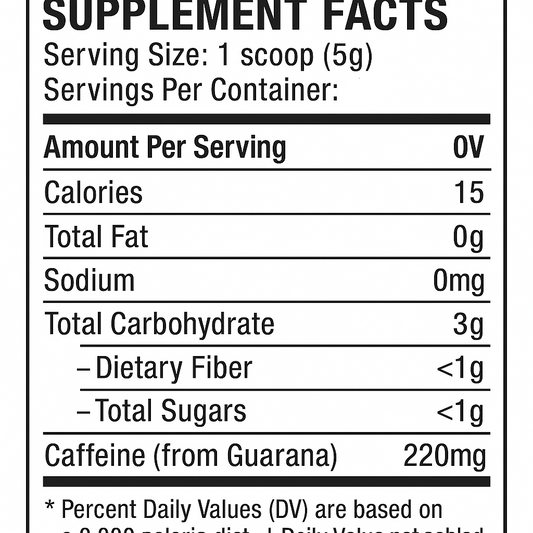
Mana Rush is a guarana energy powder — ~200mg natural caffeine, zero sugar, no crash. Made in Hawaiʻi. Mix in cold water in 30 seconds.
Frequently asked questions
What is guarana?
Guarana is a plant native to the Amazon whose seeds are one of the richest natural sources of caffeine. It has been used for centuries as a natural energy source and is valued for delivering a smoother, slower-release lift than coffee.
Is guarana better than coffee for energy?
Many people find guarana energy feels smoother and steadier than coffee because its caffeine releases more gradually, with less of a spike and crash. Both contain caffeine, so it comes down to how your body responds.
How long does guarana stay in your system?
Caffeine from guarana has a half-life of about 4–6 hours in most adults, so the effect tapers off over the hours after a serving. Metabolism, body weight, and caffeine sensitivity all influence how long you feel it.
What is natural or plant-based caffeine?
Natural caffeine comes from plants such as guarana, coffee, and tea rather than being made synthetically. Mana Rush uses guarana, one of the most caffeine-dense plants, for about 200 mg of natural caffeine per serving with zero sugar.
How do I use Mana Rush guarana powder?
Mix one scoop into cold water, sparkling water, or a smoothie — it dissolves in about 30 seconds. Use a full glass for steady energy or 60–80 ml for a concentrated shot. Start with one serving per day and adjust to taste and tolerance.
Read next
Featured Mana Rush Guarana powders
Pick a flavor and add to cart directly below, or compare all options first.

Mana Rush Guarana Mango
Regular price
$40.00 USD
Regular price
Sale price
$40.00 USD
⭐ Bestseller · Clean guarana energy · ~40 servings per bag

Mana Rush Guarana Raspberry -Bright Berry Flavor. Clean Natural Energy
Regular price
$40.00 USD
Regular price
Sale price
$40.00 USD
Clean guarana energy · No crash · ~40 servings per bag

Mana Rush Guarana Lime – Natural Zesty Energy Boost
Regular price
$40.00 USD
Regular price
Sale price
$40.00 USD
Clean guarana energy · No crash · ~40 servings per bag