

Polyethylene (PE) vs Plant-based Plastics
Updated: 2025-09-02
Start here
New to Mana Rush? Start with the guide that fits your goal
If you are comparing coffee alternatives, natural energy powder, and smoother caffeine routines, these are the best next steps.
Most popular right now — add to cart:

Mana Rush Guarana Lemon – Natural Energy Powder
$40.00

Mana Rush Guarana Mango
$40.00

Mana Rush Guarana Raspberry -Bright Berry Flavor. Clean Natural Energy
$40.00
Polyethylene (PE) and plant-based plastics are two materials that are often used as alternatives to traditional petroleum-based plastics. Both materials have their advantages and disadvantages, and their environmental impact varies depending on a number of factors, including their carbon footprints and their effects on the rainforest.
Carbon Footprint
The carbon footprint of a material refers to the amount of greenhouse gas emissions that are released during its production, transportation, use, and disposal. The carbon footprint of PE and plant-based plastics can vary depending on the specific material used, the production process, and the end-of-life options.
PE is a petroleum-based plastic and is produced from non-renewable resources. Its production process emits significant amounts of greenhouse gases, and it is not biodegradable. However, PE can be recycled, and the production of recycled PE requires less energy and emits fewer greenhouse gases than the production of virgin PE.
Plant-based plastics are made from renewable resources, such as corn or sugarcane. While their production requires less fossil fuels than PE, it can still emit greenhouse gases, particularly if the crops used to make the plastic are grown using intensive agricultural practices. Additionally, plant-based plastics may require large amounts of water and pesticides, which can contribute to their carbon footprint. Plant-based plastics are also biodegradable, which means they can break down more easily in the environment.
Are the chemical glue cocktails in PE plastics the same as in plant based plastics?
Not necessarily. The chemical composition of glue cocktails used in plastic production can vary depending on the specific type of plastic being produced and the manufacturing process used.
Plant-based plastics, also known as bioplastics, are made from renewable resources such as corn starch, sugarcane, or potato starch, while traditional plastics like PE (polyethylene) are made from non-renewable resources like petroleum. The production processes for these different types of plastics can involve different chemicals and processes, which can impact the type and composition of glue cocktails used.
That being said, there are some common types of glue cocktails that may be used in both traditional plastics like PE and plant-based plastics, such as adhesives made from polymers like polyvinyl acetate (PVA) or polyurethane (PU). However, the specific composition of these adhesives and other chemicals used in plastic production can vary between different types of plastics and manufacturing processes.
Effects on the Rainforest
One of the concerns associated with plant-based plastics is their potential impact on the rainforest. The production of the raw materials used to make plant-based plastics can contribute to deforestation and the loss of biodiversity in the rainforest. Sugarcane plantations, for example, have been linked to deforestation in the Amazon rainforest. The loss of trees can also lead to the displacement of indigenous communities.
The production of PE does not contribute to the deforestation and loss of biodiversity associated with the production of plant-based plastics. However, the production of PE still has environmental impacts, including the release of greenhouse gases during production and the use of non-renewable resources.
Conclusion
PE and plant-based plastics both have their advantages and disadvantages, and their environmental impact depends on a number of factors. While plant-based plastics may seem like a more environmentally friendly alternative to traditional plastics, their production can contribute to deforestation and the loss of biodiversity in the rainforest. PE, on the other hand, is produced from non-renewable resources and emits significant amounts of greenhouse gases during production. Ultimately, the choice between these materials depends on a number of factors, including their intended use, the availability of recycling infrastructure, and the environmental impact of their production and disposal.
Overall, while there may be some overlap in the types of chemicals used in the glue cocktails for PE plastics and plant-based plastics, the specific composition and use of these chemicals are likely to differ due to the unique properties and manufacturing processes of each type of plastic.
Mana Rush Guarana
Want to try the guarana that lasts this long?
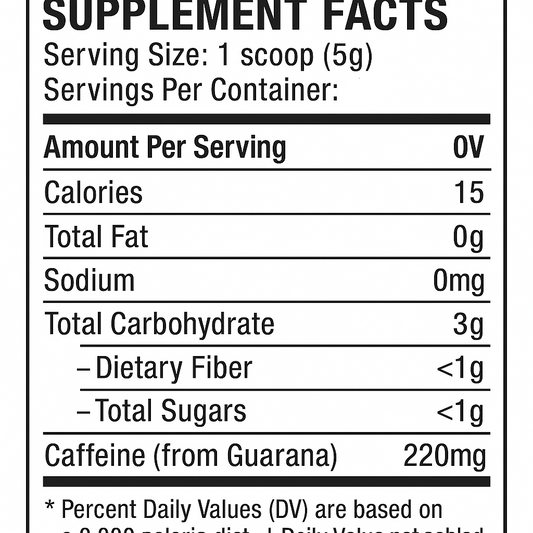
Mana Rush delivers ~200mg slow-release guarana caffeine per scoop. Mix in 30 seconds, feel it for 4–6 hours. Zero sugar, no crash.
Frequently asked questions
Is guarana better than coffee for energy?
Many people find guarana energy feels smoother and more sustained than coffee. Guarana releases its caffeine more gradually, which tends to produce a steadier lift with less of the sharp spike-and-crash some people get from coffee. Both contain caffeine, so the right choice depends on how your body responds.
How much caffeine does guarana have compared to coffee?
Guarana seeds are one of the most caffeine-dense plants, containing more caffeine by weight than coffee beans. A serving of Mana Rush provides about 200 mg of natural caffeine — comparable to roughly two cups of brewed coffee, but released more slowly.
Does guarana cause jitters or a crash like coffee?
Because guarana caffeine is absorbed more gradually, many people report fewer jitters and a softer comedown than with coffee. Mana Rush also contains zero sugar, which avoids the sugar-driven crash common with sweetened energy drinks.
Can guarana replace my morning coffee?
Yes — one scoop of Mana Rush in cold water can stand in for your morning coffee. Many customers use it as a daily coffee alternative for smoother, longer-lasting energy without the acidity of coffee.
Read next
Featured Mana Rush Guarana powders
Pick a flavor and add to cart directly below, or compare all options first.

Mana Rush Guarana Mango
Regular price
$40.00 USD
Regular price
Sale price
$40.00 USD
⭐ Bestseller · Clean guarana energy · ~40 servings per bag

Mana Rush Guarana Raspberry -Bright Berry Flavor. Clean Natural Energy
Regular price
$40.00 USD
Regular price
Sale price
$40.00 USD
Clean guarana energy · No crash · ~40 servings per bag

Mana Rush Guarana Lime – Natural Zesty Energy Boost
Regular price
$40.00 USD
Regular price
Sale price
$40.00 USD
Clean guarana energy · No crash · ~40 servings per bag