
Navigating the Hazards of Energy Drinks: A Parent's Guide for Teenagers
Updated: 2025-12-19
Start here
New to Mana Rush? Start with the guide that fits your goal
If you are comparing coffee alternatives, natural energy powder, and smoother caffeine routines, these are the best next steps.
Most popular right now — add to cart:

Mana Rush Guarana Lemon – Natural Energy Powder
$40.00

Mana Rush Guarana Mango
$40.00

Mana Rush Guarana Raspberry -Bright Berry Flavor. Clean Natural Energy
$40.00

Hey there, parents! Let's dive deeper into the world of energy drinks and uncover why they're not as harmless as they might seem. As we strive to keep our teenagers healthy and happy, understanding the ins and outs of these beverages is crucial for their well-being.
The Lowdown on Energy Drinks
Energy drinks aren't just your average beverages – they're power-packed concoctions designed to deliver a quick burst of energy. With ingredients like caffeine, sugar, amino acids, and herbal extracts, they promise to boost alertness, enhance performance, and keep fatigue at bay. But what's really lurking behind those flashy labels?
Ingredients to Watch Out For
-
Caffeine: The main player in most energy drinks, caffeine is a stimulant that can rev up the central nervous system and increase heart rate. While a small dose can provide a temporary energy boost, too much caffeine can lead to jitteriness, anxiety, and even heart palpitations.
-
Sugar: Many energy drinks are loaded with sugar to sweeten the deal and mask the bitter taste of caffeine. While it might taste good going down, excessive sugar consumption can wreak havoc on your teenager's health, leading to weight gain, tooth decay, and an increased risk of chronic diseases like diabetes.
-
Taurine and Guarana: These amino acids and herbal extracts are often added to energy drinks for their supposed energy-boosting properties. While they may sound harmless, research on their long-term effects is limited, leaving many questions unanswered about their safety, especially for teenagers.
-
B Vitamins: Energy drinks often tout the inclusion of B vitamins like B12 and B6 as a healthful addition. While these vitamins play important roles in energy metabolism, getting them from a sugary, caffeinated beverage may not be the most beneficial way to meet your teenager's nutritional needs.
The Science Behind the Buzz
Now that we've cracked open the ingredient list, let's take a closer look at the potential health risks associated with energy drink consumption among teenagers:
-
Cardiac Concerns: Studies have shown that excessive caffeine intake from energy drinks can lead to heart palpitations, increased heart rate, and even more serious cardiac events, particularly in individuals with underlying heart conditions.
-
Sleep Disruptions: With their high caffeine content, energy drinks can throw a wrench into your teenager's sleep patterns, making it difficult for them to fall asleep and stay asleep. This can lead to fatigue, irritability, and poor academic performance.
-
Dehydration Dilemma: Caffeine acts as a diuretic, increasing urine production and potentially leading to dehydration, especially when combined with physical activity or hot weather. Encouraging your teenager to drink plenty of water throughout the day is essential to offset the dehydrating effects of energy drinks.
-
Mental Health Matters: Excessive caffeine consumption has been linked to anxiety, panic attacks, and other mental health issues, particularly in susceptible individuals. For teenagers already navigating the challenges of adolescence, adding caffeine into the mix can exacerbate these issues and impact their overall well-being.
Real Talk: The Impact on Teens
As parents, it's essential to understand the real-world consequences of energy drink consumption among teenagers. From emergency room visits to academic struggles, the risks far outweigh the fleeting benefits of a quick energy boost.
Parental Playbook: How to Keep Your Teen Safe
Armed with this knowledge, let's explore some proactive steps parents can take to protect their teenagers from the potential hazards of energy drinks:
-
Educate and Empower: Equip your teenager with the information they need to make informed choices about their health. Teach them about the potential risks of energy drink consumption and encourage them to seek out healthier alternatives.
-
Lead by Example: Be a positive role model for your teenager by demonstrating healthy habits in your own life. Show them that you can boost your energy levels naturally through adequate sleep, regular exercise, and a balanced diet.
-
Set Clear Boundaries: Establish clear guidelines around energy drink consumption in your household. Encourage your teenager to limit their intake and save these beverages for special occasions rather than making them a regular part of their routine.
-
Encourage Open Communication: Keep the lines of communication open with your teenager and encourage them to come to you with any questions or concerns they may have about energy drinks or other health-related topics.
-
Stay Informed: Stay up-to-date on the latest research and guidelines surrounding energy drink consumption among teenagers. Stay vigilant and be on the lookout for any warning signs that your teenager may be struggling with their energy drink habits.
Final Thoughts
As parents, it's our responsibility to arm ourselves with knowledge and take proactive steps to protect our teenagers from the potential risks of energy drink consumption. By staying informed, fostering open communication, and leading by example, we can help ensure that our teenagers grow up healthy, happy, and full of vitality – no energy drinks required.
-
“Energy Drinks: What’s the Evidence?” - Journal of the American Academy of Pediatrics This comprehensive review published in the Journal of the American Academy of Pediatrics examines the evidence surrounding energy drink consumption, particularly among adolescents. It discusses the potential health risks associated with energy drinks and provides recommendations for parents, healthcare providers, and policymakers.
-
“Energy Drink Consumption and Its Association with Sleep Problems Among U.S. Service Members on a Combat Deployment” - Military Medicine This study, published in Military Medicine, explores the relationship between energy drink consumption and sleep problems among U.S. service members deployed in combat zones. It highlights the negative impact of energy drinks on sleep quality and discusses the implications for military personnel's health and performance.
-
“Caffeinated Energy Drink Use Among Adolescents and Emerging Adults in Canada: A Qualitative Study” - Health Promotion and Chronic Disease Prevention in Canada Published in Health Promotion and Chronic Disease Prevention in Canada, this qualitative study investigates the perceptions and experiences of adolescents and emerging adults regarding caffeinated energy drink use. It provides insights into the reasons for energy drink consumption among this population and discusses potential health implications.
These studies offer valuable insights into the effects of energy drinks on various aspects of health and well-being, providing evidence-based information for parents, healthcare professionals, and policymakers alike.
Together, let's empower our teenagers to make healthy choices and thrive without relying on energy drinks.
Mana Rush Guarana
Get the guarana for these recipes
Mana Rush Mango is the most-used flavor for recipes — tropical, naturally sweet, mixes in cold water or smoothies in 30 seconds. ~$1 per serving.
Frequently asked questions
How do I use guarana powder in drinks and recipes?
Mix one scoop of Mana Rush guarana powder into cold water, sparkling water, coconut water, or a smoothie. It dissolves in about 30 seconds with a quick stir or shake. For a concentrated, shot-strength drink use 60–80 ml of water; for steady all-day sipping use a full glass.
Which Mana Rush flavor is best for recipes?
Mango is the most popular flavor for recipes and smoothies — it is naturally sweet and tropical, so it blends well with fruit, yogurt, and coconut water. Lemon and Raspberry also work well in sparkling-water spritzers.
How much caffeine is in one serving?
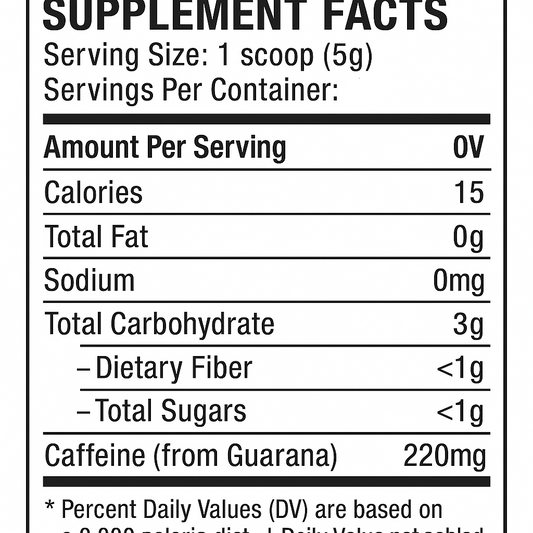
Each serving delivers roughly 200 mg of natural caffeine from guarana, with zero sugar. Start with one serving per day and adjust to your own tolerance.
Can I make a pre-workout drink with it?
Yes. Mix one scoop into water 20–30 minutes before training for clean energy that builds during your warm-up and holds through your session, without the sugar crash of canned pre-workouts.
Read next
Featured Mana Rush Guarana powders
Pick a flavor and add to cart directly below, or compare all options first.

Mana Rush Guarana Mango
Regular price
$40.00 USD
Regular price
Sale price
$40.00 USD
⭐ Bestseller · Clean guarana energy · ~40 servings per bag

Mana Rush Guarana Raspberry -Bright Berry Flavor. Clean Natural Energy
Regular price
$40.00 USD
Regular price
Sale price
$40.00 USD
Clean guarana energy · No crash · ~40 servings per bag

Mana Rush Guarana Lime – Natural Zesty Energy Boost
Regular price
$40.00 USD
Regular price
Sale price
$40.00 USD
Clean guarana energy · No crash · ~40 servings per bag