

Are Energy Drinks for Working Out Safe for Daily Consumption?
Updated: 2025-09-07
Start here
New to Mana Rush? Start with the guide that fits your goal
If you are comparing coffee alternatives, natural energy powder, and smoother caffeine routines, these are the best next steps.
Most popular right now — add to cart:

Mana Rush Guarana Lemon – Natural Energy Powder
$40.00

Mana Rush Guarana Mango
$40.00

Mana Rush Guarana Raspberry -Bright Berry Flavor. Clean Natural Energy
$40.00
Energy drinks have become increasingly popular among fitness enthusiasts, but questions about their safety for daily consumption remain. In this blog, we will explore the ingredients found in these drinks, their effects on the body during workouts, and the considerations for safe use.

Understanding Energy Drinks
Energy drinks are specialized beverages designed to enhance physical and mental performance. Typically, they contain a mix of caffeine, sugars, and other ingredients aimed at providing a quick jolt of energy. But how exactly do these drinks work? When consumed, they can increase alertness and reduce fatigue, making them particularly popular among those engaging in rigorous workouts.
While it’s easy to grab a can of energy drink before a workout, it’s important to understand the science behind them. They stimulate the central nervous system, resulting in heightened energy levels. However, not everyone responds the same way to these drinks, and individual tolerance can vary greatly.
Common Ingredients in Energy Drinks
Common ingredients in energy drinks often include caffeine, taurine, B vitamins, and various herbal extracts. Caffeine is perhaps the most well-known component, known for its ability to increase alertness and improve exercise performance. A typical energy drink can contain the caffeine equivalent of several cups of coffee, which is significant for those considering daily consumption.
Taurine, another frequently found ingredient, is an amino acid that may help with endurance. Though B vitamins may support energy levels, more studies are needed to assess their effectiveness. While these ingredients can offer immediate benefits, they also raise concerns over prolonged use. Understanding what you are consuming is essential when evaluating health risks.
Additionally, high sugar content in many energy drinks can lead to a quick spike in energy followed by a crash, making it harder to sustain performance. Those who are considering using energy drinks for working out should carefully read labels and be wary of excessive sugar intake.
Effects of Energy Drinks During Workouts
Using energy drinks during workouts may enhance performance, leading to increased endurance or clarity of mind. Many athletes have reported feeling more alert and capable of pushing through barriers after consuming these beverages. However, these effects can vary from person to person, and not everyone might experience the same benefits.
Moreover, hydration is crucial during exercise, and energy drinks might not provide the same level of hydration that water does. As such, it’s important to strike a balance and not rely solely on energy drinks for hydration and stamina.
Potential Risks of Daily Consumption
Despite their benefits, daily consumption of energy drinks can pose several risks. Regular intake of high doses of caffeine can lead to dependency and even withdrawal symptoms. Many users may find themselves needing more caffeine over time to achieve the same effects, creating a cycle that can impact overall health.
Additionally, the combination of high sugar and caffeine can lead to increased heart rate and blood pressure. For individuals with pre-existing health conditions or those susceptible to heart issues, this can be particularly concerning. It’s also worth considering the risk of insomnia and other sleep issues, particularly if consumed later in the day.
Understanding your body’s limits and being cautious about the amount of energy drinks consumed daily can significantly alter your experience. Moderation is key, and listeners should be mindful about how their body reacts to such stimulants over time.
Alternatives to Energy Drinks for Energy Boost
If you’re on the fence about energy drinks, there are numerous alternatives that can boost energy and performance without the potential health risks. Natural options such as consuming whole fruits like bananas or incorporating nuts and seeds into your diet can offer a sustained source of energy. These foods provide essential nutrients that energy drinks often lack.
Another great option includes staying properly hydrated with water, which restores bodily functions and supports overall performance. Herbal teas like green tea can offer a gentle caffeine lift without overwhelming your system.
Moreover, regular exercise not only boosts energy levels but also improves overall health and wellness. Establishing a balanced diet, maintaining a regular exercise routine, and exploring alternatives to energy drinks can foster a healthier lifestyle.
Final Thoughts on Daily Consumption of Energy Drinks
In conclusion, while energy drinks can provide a quick boost of energy and improve performance for some individuals, they also come with potential risks when consumed daily. It’s crucial to be aware of their ingredients and effects on your health and well-being.


Mana Rush Guarana
Get the guarana for these recipes
Mana Rush Mango is the most-used flavor for recipes — tropical, naturally sweet, mixes in cold water or smoothies in 30 seconds. ~$1 per serving.
Frequently asked questions
How do I use guarana powder in drinks and recipes?
Mix one scoop of Mana Rush guarana powder into cold water, sparkling water, coconut water, or a smoothie. It dissolves in about 30 seconds with a quick stir or shake. For a concentrated, shot-strength drink use 60–80 ml of water; for steady all-day sipping use a full glass.
Which Mana Rush flavor is best for recipes?
Mango is the most popular flavor for recipes and smoothies — it is naturally sweet and tropical, so it blends well with fruit, yogurt, and coconut water. Lemon and Raspberry also work well in sparkling-water spritzers.
How much caffeine is in one serving?
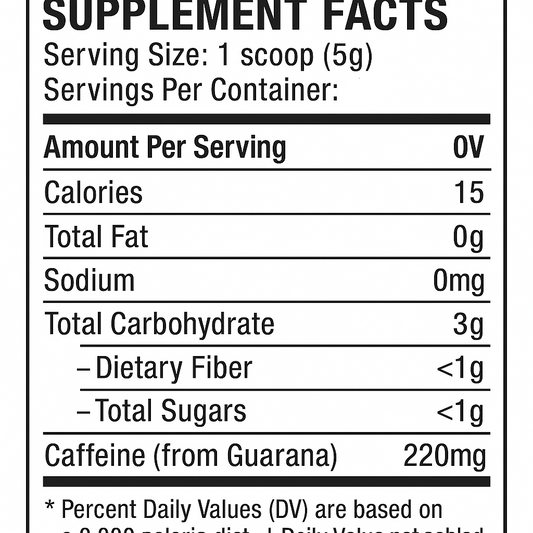
Each serving delivers roughly 200 mg of natural caffeine from guarana, with zero sugar. Start with one serving per day and adjust to your own tolerance.
Can I make a pre-workout drink with it?
Yes. Mix one scoop into water 20–30 minutes before training for clean energy that builds during your warm-up and holds through your session, without the sugar crash of canned pre-workouts.
Read next
Featured Mana Rush Guarana powders
Pick a flavor and add to cart directly below, or compare all options first.

Mana Rush Guarana Mango
Regular price
$40.00 USD
Regular price
Sale price
$40.00 USD
⭐ Bestseller · Clean guarana energy · ~40 servings per bag

Mana Rush Guarana Raspberry -Bright Berry Flavor. Clean Natural Energy
Regular price
$40.00 USD
Regular price
Sale price
$40.00 USD
Clean guarana energy · No crash · ~40 servings per bag

Mana Rush Guarana Lime – Natural Zesty Energy Boost
Regular price
$40.00 USD
Regular price
Sale price
$40.00 USD
Clean guarana energy · No crash · ~40 servings per bag