

E Mālama I Ka `Āina, E Ola Pono - Cherish the land and live in health and harmony
Updated: 2026-01-29
Start here
New to Mana Rush? Start with the guide that fits your goal
If you are comparing coffee alternatives, natural energy powder, and smoother caffeine routines, these are the best next steps.

Inspired by Hawaii’s beautiful state motto, “The life of the land is perpetuated in righteousness” (Ua Mau ke Ea o ka `Āina i ka Pono), we envision a Hawaii where all people “Cherish the land and live in health and harmony” (E Mālama I Ka `Āina, E Ola Pono)
It's green to go veggie! What we choose to eat is one of the most significant factors in the personal impact we have on the environment and the fastest path to climate change. A recent study examining the impact of a typical week’s eating showed that plant-based diets are better for the environment than those based on meat.1 A vegan, organic diet had the smallest environmental impact while the single most damaging foodstuff was beef. All non-vegetarian diets require significantly greater amounts of environmental resources such as land and water.
Nothing will benefit human health and increase chances for survival of life on Earth as much as the evolution to a vegetarian diet.
Albert Einstein
It is noteworthy that the United Nations and many leading environmental organizations—including the National Audubon Society, the WorldWatch Institute, the Sierra Club, and the Union of Concerned Scientists—have recognized that raising animals for food damages the environment more than just about anything else that we do.
America's meat addiction is poisoning and depleting our potable water, arable land, and clean air. More than half of the water used in the United States today goes to animal agriculture. Since farmed animals produce 130 times more excrement than the human population, the run-off from their waste is fouling our waterways. Animal excrement emits gases, such as hydrogen sulfide and ammonia, that poison the air around farms, as well as methane and nitrous oxide, which are major contributors to global warming.
In its 2006 report, the United Nations said raising animals for food generates more greenhouse gases than all the cars and trucks in the world combined.2 Most of it comes from methane gas generated by manure.
The negative effects of the meat industry are far reaching.
Raising animals for food generates more greenhouse gases than all the cars and trucks in the world combined.
United Nations
2006 Report, Livestock’s Long Shadow –Environmental Issues and Options
Forests are being bulldozed to make more room for factory farms and feed crops to feed farmed animals, and this destruction causes soil erosion and contributes to species extinction and habitat loss. Raising animals for food also requires massive amounts of food and raw materials: Farmed animals consume 70 percent of the corn, wheat, and other grains that we grow, and one-third of all the raw materials and fossil fuels used in the U.S. go to raising animals for food.
Whether it's unchecked air or water pollution, soil erosion, or the overuse of resources, raising animals for food is wreaking havoc on the Earth. By going vegetarian you will help to:
- Avoid excessive CO2 production
- Reduce methane/nitrous oxide production
- Save large amounts of water
- Avoid further pollution of our streams/rivers/oceans
- Reduce destruction of topsoil & tropical rainforest
- Reduce destruction of wildlife habitats & endangered species
- Reduce the use of antibiotics, growth promoters and chemicals
Thirty percent of the earth's land mass is used for livestock pasture and production of livestock feed, causing mass deforestation, compaction and erosion from overgrazing …Water pollution from animal waste, antibiotics and hormones, fertilizers and pesticides is an increasing world-wide concern.
The Nature Conservancy
The environmental arguments are strong, but many vegetarians simply believe that it is wrong to kill when there is no need to. Others love and respect animals and want to minimize their suffering. Some vegetarians are specifically opposed to intensive animal farming and choose vegetarianism because it sends a strong signal. It guarantees you won’t be eating an animal reared in appalling conditions, and you avoid contributing to distress in animals slaughtered for meat.
Whatever their reasons for giving up meat, vegetarians benefit from much more than a clear conscience, as they experience lower rates of heart disease, diabetes and certain cancers.
Reference: “Why it’s green to go vegetarian,” The Vegetarian Society of the United Kingdom: http://www.vegsoc.org/document.doc?id=166(link is external)
- Baroni, L., Cenci, L., Tettemanti, M. and Berati, M. 2006. Evaluating the environmental impact of various dietary patterns combined with different food production systems. European Journal of Clinical Nutrition. 1-8: http://www-personal.umich.edu/~choucc/environmental_impact_of_various_di...(link is external)
- Livestock a major threat to environment,” United Nations FAO Newsroom, Nov. 29, 2006: http://www.fao.org/newsroom/en/news/2006/1000448/index.html(link is external)
Mana Rush Guarana
Experience these benefits yourself
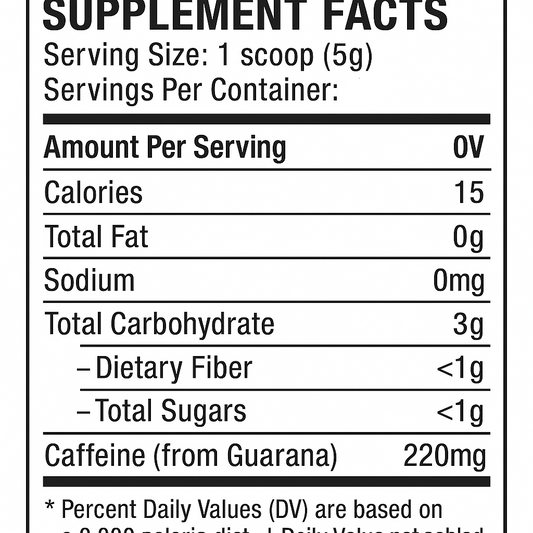
Mana Rush is Hawaiʻi-made guarana energy powder — ~200mg natural caffeine, zero sugar, real fruit flavors. About $1 per serving.
Frequently asked questions
What are the benefits of guarana?
Guarana is best known as a natural source of caffeine that supports energy, alertness, and focus. Because its caffeine releases more slowly than coffee, many people experience steadier energy with fewer crashes. Guarana also contains natural antioxidants.
What makes a good guarana supplement?
Look for a real, identifiable guarana source, a clear caffeine amount per serving, no added sugar, and no unnecessary artificial sweeteners or fillers. Mana Rush is a guarana powder with about 200 mg natural caffeine per serving, zero sugar, and real fruit flavors.
Is guarana safe for daily use?
Guarana is commonly used daily as a caffeine source. As with any caffeine, moderation matters — most healthy adults start with one serving per day and adjust to tolerance. If you are pregnant, nursing, or sensitive to caffeine, check with a healthcare professional.
What is plant-based or natural caffeine?
Natural caffeine comes from plants such as guarana, coffee, tea, and yerba mate, rather than being synthesised in a lab. Mana Rush uses guarana, one of the richest natural plant sources of caffeine.
Read next
Featured Mana Rush Guarana powders
Pick a flavor and add to cart directly below, or compare all options first.

Mana Rush Guarana Mango
Regular price
$40.00 USD
Regular price
Sale price
$40.00 USD
⭐ Bestseller · Clean guarana energy · ~40 servings per bag

Mana Rush Guarana Raspberry -Bright Berry Flavor. Clean Natural Energy
Regular price
$40.00 USD
Regular price
Sale price
$40.00 USD
Clean guarana energy · No crash · ~40 servings per bag

Mana Rush Guarana Lime – Natural Zesty Energy Boost
Regular price
$40.00 USD
Regular price
Sale price
$40.00 USD
Clean guarana energy · No crash · ~40 servings per bag