

Adenosine, Caffeine, and Sleep: The Science of When to Start — and When to Stop
Updated: 2026-05-30
Start here
Want to try guarana for yourself?
Mana Rush is a guarana energy powder made in Hawaiʻi. Mix one scoop into a full glass of water for steady all-day energy — or use just 60–80 ml of water for a concentrated, shot-strength dose. No added sugar, ~250 mg natural caffeine, tropical fruit flavors.
Most popular right now — add to cart:

Guarana Energy Powder, No Added Sugar – Lemon – Mana Rush – 8oz
$40.00

Guarana Energy Powder, No Added Sugar – Mango – Mana Rush – 8oz
$40.00

Guarana Energy Powder, No Added Sugar – Raspberry – Mana Rush – 8oz
$40.00
If caffeine sometimes “stops working,” keeps you up too late, or makes you crash at the wrong time — adenosine is usually the missing piece.
This is a scientific, educational guide to:
- What adenosine is
- How it builds up during the day
- How caffeine changes what you feel
- How to use caffeine in a healthier way by timing it better
When you understand adenosine, you can make caffeine work with your body instead of against it.
What Is Adenosine?
Adenosine is a molecule your body produces naturally as part of energy metabolism. As you stay awake and use energy throughout the day, adenosine gradually accumulates in the brain.
As adenosine levels rise, they bind to adenosine receptors (often described as A1 and A2A receptors), which increases the feeling we call sleep pressure — that heavy, foggy sense that builds when you’ve been awake for a long time.
In simple terms:
- More adenosine = more pressure to sleep
- Less adenosine = less pressure to sleep
How Adenosine Builds Up (and Why You Feel Tired)
Adenosine isn’t a “bad thing.” It’s part of the system that helps your brain track how long you’ve been awake and pushes you toward recovery.
That’s why you often feel:
- More alert in the morning (lower sleep pressure)
- A dip in the afternoon (sleep pressure rising)
- Sleepier at night (sleep pressure highest)
Sleep clears adenosine pressure, which is one reason good sleep can restore morning alertness.
What Caffeine Actually Does
Caffeine doesn’t “create energy.” The core mechanism is that it blocks adenosine receptors.
Think of it like this:
- Adenosine is the signal that says “time to rest.”
- Caffeine sits on the receptor so the adenosine signal can’t fully land.
So you feel more awake, not because adenosine disappeared, but because the brain can’t read the signal as strongly.
The “Caffeine Crash” Explained (Adenosine Rebound)
Because caffeine blocks receptors temporarily, adenosine can continue accumulating behind the scenes.
When caffeine wears off, you may suddenly feel the full weight of your accumulated sleep pressure — which people describe as a crash, fog, or slump.
This is one reason timing and dosing matter more than people realize.
Healthy Caffeine Timing: Practical Rules That Match the Biology
1) Don’t hit caffeine immediately after waking
Many people do best by waiting a little after waking before taking caffeine. Early morning alertness is often supported by your natural circadian hormones, and delaying caffeine can reduce the “need” to keep escalating later.
Practical approach: consider caffeine after you’ve been awake for a bit, once your morning routine is underway.
2) Use caffeine to support a window — not to fight exhaustion all day
If you’re using caffeine continuously from morning until evening, you’re often fighting a rising adenosine load. A healthier strategy is to set a “support window” for caffeine (work block, workout block, long drive) rather than constant intake.
3) Set a caffeine cut-off time to protect sleep
Sleep quality strongly influences tomorrow’s adenosine pressure and alertness. Many people benefit from a firm caffeine cut-off time earlier in the day so caffeine is less likely to interfere with falling asleep.
Practical approach: choose a cut-off that protects your bedtime and stick with it consistently.
4) Keep doses steady and avoid “chasing” the slump
When energy dips, the instinct is to add more caffeine. But that can push your cut-off later and disrupt sleep — which increases the next day’s adenosine pressure and repeats the cycle.
Better approach: use smaller, intentional servings and pair them with hydration, movement, and food timing.
A Simple “Start / Stop” Caffeine Framework
- Start: once you’re fully awake and beginning your main work or training block.
- Support: use caffeine to reinforce focus or performance in a defined window.
- Stop: early enough that your sleep isn’t compromised — because sleep is what resets the system.
This keeps caffeine aligned with adenosine biology rather than battling it.
Why This Matters for “Clean Energy”
When people talk about “clean energy,” they often mean:
- Steady alertness (not spikes)
- Less jitteriness
- Less crash
- Better sleep consistency
Understanding adenosine helps you get there — because timing caffeine well is often more important than simply increasing the dose.
Frequently Asked Questions
What is adenosine in simple terms?
Adenosine is a molecule that builds up in the brain the longer you’re awake. It creates sleep pressure and helps signal when it’s time to rest.
Does caffeine remove adenosine?
No. Caffeine blocks adenosine receptors temporarily, which reduces the feeling of sleepiness without removing adenosine itself.
Why does caffeine sometimes stop working?
As adenosine continues to build up, blocking the signal becomes less effective. When caffeine wears off, the accumulated sleep pressure can feel like a crash.
When should I start taking caffeine?
Many people benefit from waiting until they’re fully awake and beginning their main work or training block rather than taking caffeine immediately upon waking.
When should I stop caffeine?
Stopping caffeine early enough to protect sleep is critical. Sleep is what resets adenosine pressure for the next day.
Is less caffeine better?
Not always less, but more intentional. Smaller, well-timed doses often work better than chasing fatigue throughout the day.
How does this relate to guarana?
Guarana releases caffeine more gradually, which many people find easier to time and integrate into a daily routine without sharp spikes.
Mana Rush Guarana
See the difference for yourself
Mana Rush uses guarana-derived caffeine with no added sugar. About $1 per serving vs $3–4 for a canned energy drink.
Frequently asked questions
What is Mana Rush?
Mana Rush is a flavored guarana drink powder made to be mixed with water. Read the product label for the serving size, caffeine amount, ingredients, and directions for the flavor you choose.
How much caffeine is in a serving?
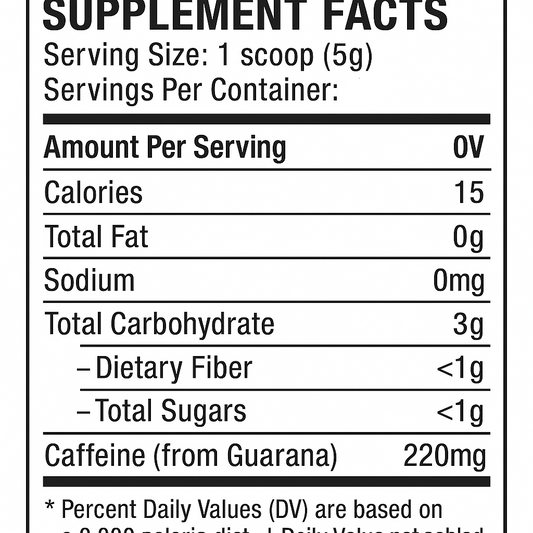
The current Mana Rush labels state about 250 mg of caffeine per serving. Check the package before use because formulations and serving information can change.
Does Mana Rush contain sugar?
The current Mana Rush products are labeled no added sugar and are sweetened with stevia. Check the ingredient list on the specific flavor for complete information.
How do I prepare Mana Rush?
Mix the labeled serving with water and stir or shake. You can adjust the amount of water for taste, but do not exceed the labeled serving directions.
Where is Mana Rush made?
Mana Rush is blended and packaged in Kāneʻohe, Oʻahu, Hawaiʻi by Aloha Rush LLC.
Who should be careful with Mana Rush?
Mana Rush contains caffeine. Follow the warning and directions on the package, account for caffeine from other sources, and ask a qualified healthcare professional about use when you have a medical condition, take medication, are pregnant or nursing, or are sensitive to caffeine.
Read next

Featured Mana Rush Guarana powders
Pick a flavor and add to cart directly below, or compare all options first.

Guarana Energy Powder, No Added Sugar – Mango – Mana Rush – 8oz
Regular price
$40.00 USD
Regular price
Sale price
$40.00 USD
⭐ Bestseller · Clean guarana energy

Guarana Energy Powder, No Added Sugar – Lilikoi – Mana Rush – 8oz
Regular price
$40.00 USD
Regular price
Sale price
$40.00 USD
Fan favorite · Tropical clean energy

Guarana Energy Powder, No Added Sugar – Raspberry – Mana Rush – 8oz
Regular price
$40.00 USD
Regular price
Sale price
$40.00 USD
Clean guarana energy · Steady energy

Guarana Energy Powder, No Added Sugar – Lime – Mana Rush – 8oz
Regular price
$40.00 USD
Regular price
Sale price
$40.00 USD
Clean guarana energy · Steady energy